Regulation & environment Briefing
Two reporting changes belong on Alberta’s operations calendar
Petrinex’s S-30 transition is now available, with reporting limitations still documented. Selected operational notifications move to OneStop on November 2.
What matters
- Petrinex reports S-30 availability; its October 9 update documents unresolved reporting limitations.
- Selected operational notifications move to OneStop on November 2, 2026.
- An empty quarterly noncompliance report during the transition is not proof of a compliant submission.
Alberta’s reporting calendar has two separate system transitions. Treating them as a single migration would obscure what is changing, who needs access and which work remains in its existing channel.
AER Bulletin 2026-39, published September 28, says Petrinex will accept S-30 Monthly Gas Processing Plant Sulphur Balance Reports, including amendments for earlier periods, beginning October 8. The bulletin identifies a September 26–October 7 period when that reporting function is unavailable in both DDS and Petrinex. It accompanies revised editions of Directive 017 and Manual 011.
AER Bulletin 2026-40, also published September 28, says selected operational notifications move to OneStop on November 2. Its examples include abandonment, drilling commencement, flaring and venting, and specified Water Act codes-of-practice notifications. Notifications outside the listed scope stay in their current systems. The AER says this channel change does not change the underlying reporting obligations or timelines.
October 9 update: read the report status carefully
Petrinex’s project record, updated October 9, reports that the S-30 functionality became available October 8. It also lists unresolved differences between edit-screen warnings and noncompliance reports. Latest-amendment errors are not yet shown in the query view. Fixes are described as in progress, not completed.
An October request for the quarterly noncompliance report using quarter code 2026-03 intentionally returns “No Records” during the learning period. Petrinex says the quarterly report is expected to start reflecting noncompliance with Q4, beginning with October production. That empty result is not proof that a submission is compliant, accepted or even made.
This revision records the published system status, not a test of account access or a reporting outcome. Follow the authority’s current instructions for a particular submission.
Map the submission before the software
The first practical task is to identify the exact submission a team makes. A broad label such as “AER reporting” is not specific enough to determine whether either transition applies.
An internal register can record the submission name, facility or licence involved, responsible person, alternate responsible person, existing channel and new channel. The authoritative bulletin should sit beside that entry. This is an organizational aid, not a replacement for the reporting instructions.
Keep the two dates attached to the correct workflow. Access to one system does not demonstrate access to another. A contractor who submits a listed notification may have a different role from the person who prepares volumetric data.
Test the hand-off between people
A reporting process can fail even when the new account works. Information may be prepared by one team, reviewed by another and submitted by a third. A channel transition is a useful moment to make those hand-offs explicit.
Who prepares the source information? Who confirms that it is ready? Who sends it? Who retains confirmation and resolves a rejected submission? These questions are particularly useful when staff and contractors share a workflow.
Evidence of a successful hand-off should be concrete: the correct submission is assigned, the required access has been established and the person responsible understands where to obtain the applicable instructions. A generic statement that a business is “ready for OneStop” does not establish those points.
Treat amendments as a separate workflow
The S-30 notice expressly includes amendments to earlier periods. That makes it useful to distinguish a current reporting task from correction of a historical record.
A team can maintain a separate list of open amendments with the period, reason for review, supporting records and responsible person. The list should identify the instructions that apply to each amendment in the new channel. This avoids allowing the immediate system change to hide unresolved historical work.
The announced period of unavailable reporting functionality is also not evidence that every deadline has been extended. Any claim about an extension needs a specific authoritative instruction.
Keep calendar status precise
A calendar entry should distinguish an announcement date, transition date, consultation deadline and reporting deadline. They are different events. A proposed directive can be open for comment without its draft requirements being in force.
For these two transitions, the next useful action is a workflow check against the full notices and linked guidance. The calendar provides a prompt; the primary source supplies the applicable scope and procedure. Later amendments, if issued, should be attached to the same entry so the team can see what changed rather than relying on an old screenshot.
Update note — October 9, 2026: added Petrinex’s current availability, known-reporting-limitations and transition-quarter context. The original publication date and the separately announced November 2 OneStop scope are retained.
Original illustrated learning
Build the background
Inside an orifice meter run
Read the guide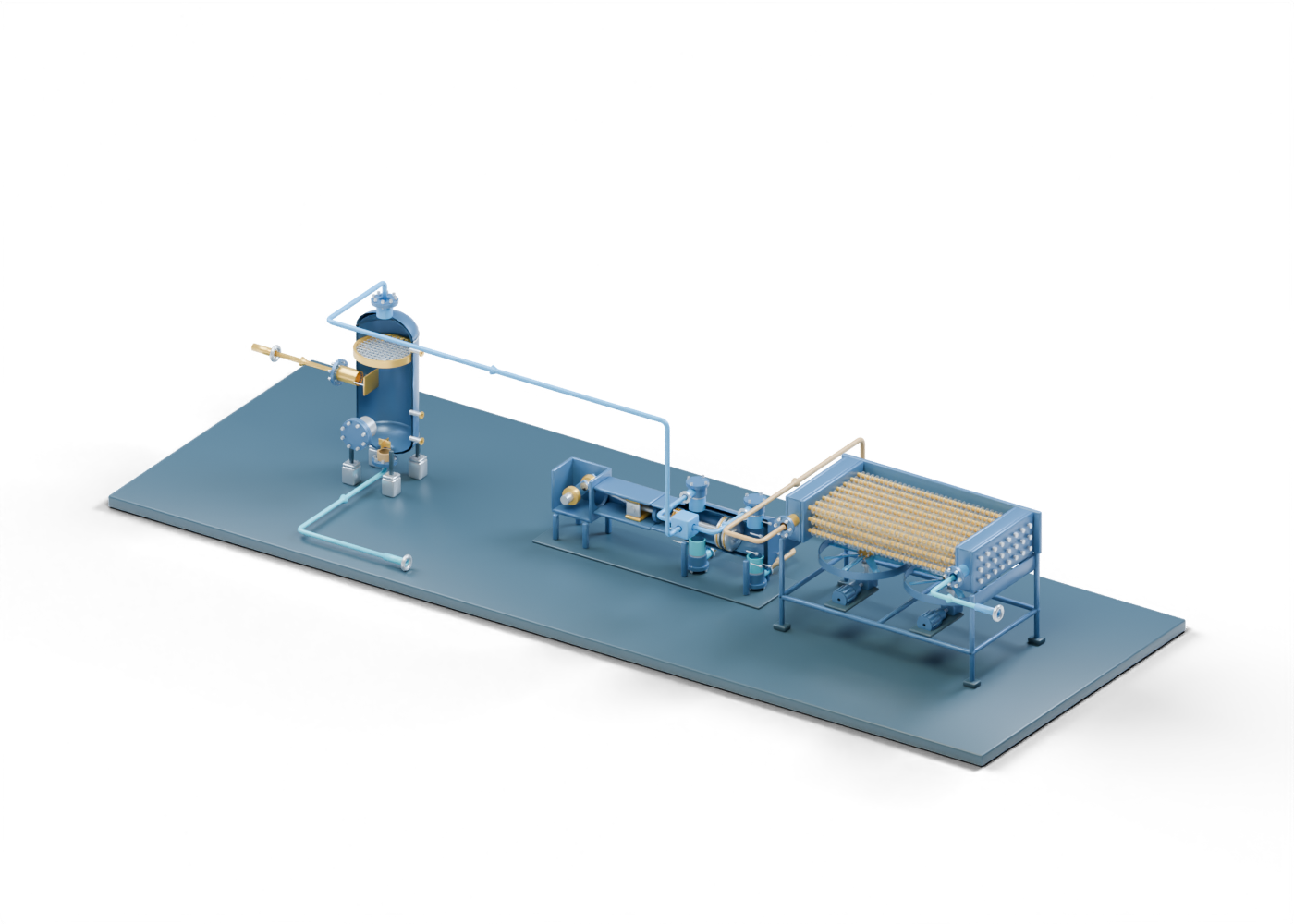
Follow a gas-compression train
Read the guide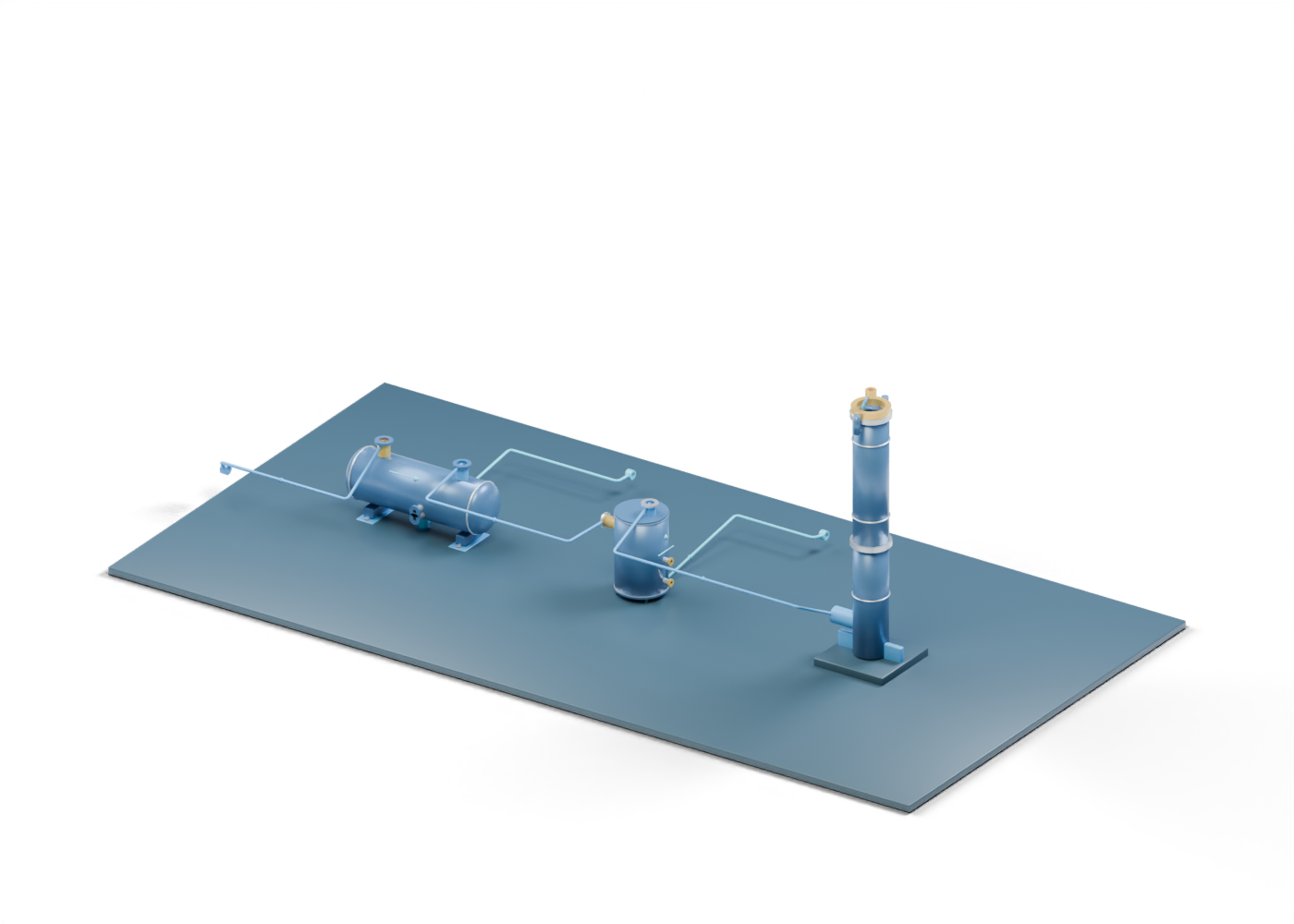
How a flare system path fits together
Read the guideThese are original educational concepts, not manufacturer designs, certifications or operating instructions.